Equity crowdfunding has opened the door for founders to raise capital from the people who believe in them most — their customers, their supporters, and their communities.
For many founders, this is an incredibly powerful moment. Instead of relying solely on institutional investors, they can invite the very people who love their product to become part of the journey.
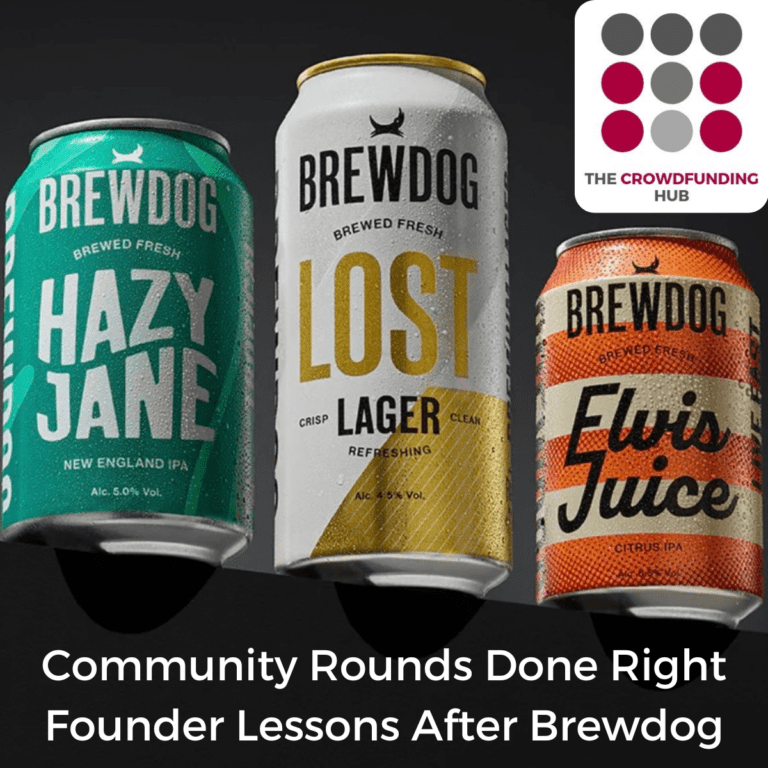
Recent discussions around BrewDog and its Equity for Punks community have highlighted how important these relationships can be as companies scale. While every company’s journey is different, the conversation has reminded the crowdfunding ecosystem that inviting the community to invest comes with both opportunity and responsibility.
When founders raise capital from their community, they are accepting investment, but there’s more. They are building a relationship with a group of people who will often become customers, advocates and ambassadors for the business.
Handled well, a community round can become one of the most powerful strategic assets a company has. Handled poorly, it can lead to disappointment and frustration among the very people who helped the company get started.
So what does a well-run community round actually look like?
Remember That Your Investors Are Also Your Advocates
One of the unique advantages of crowdfunding is that investors often become passionate supporters of the brand.
Over the last 12 years working in crowdfunding, I’ve often used a simple example when explaining this to founders. Imagine a shareholder going into a pub with friends and proudly saying, “I own this beer.”
That moment is the real power of community capital.
Your backers buy the product. They recommend it. They bring friends back. They tell the story. Community investors can become an extension of your marketing team, your customer base and your network. Treating them as passive shareholders misses one of the greatest advantages of crowdfunding. The BrewDog community showed how powerful this dynamic can be.
Set Expectations Clearly from the Beginning
Crowdfunding investors are often enthusiastic supporters of the business, but that enthusiasm must be matched with realistic expectations. The recent conversations around BrewDog have also shown how important it is for founders to communicate clearly about how future funding rounds may affect early community investors.
Founders should be clear about a few key points from the start:
- these investments are typically illiquid
- returns may take many years, if they occur at all
- future funding rounds may dilute early investors
- the company’s strategy may evolve as it grows
When expectations are clearly communicated from the beginning, investors are far more likely to remain supportive even when the business encounters challenges. Transparency builds trust.
Communicate Regularly – Especially When Things Change
Businesses rarely follow a straight path. Markets shift, strategies evolve and external events can have unexpected impacts. Community investors understand this, but they need to feel included in the journey. Regular updates help maintain that connection.
Sharing successes is important, but so is explaining challenges and how the team plans to address them. When investors feel informed and respected, they are much more likely to remain patient and supportive. Silence, on the other hand, creates uncertainty.
Recognise the Strategic Value of Your Community
Crowdfunding investors bring more than capital.
They bring:
- customer insight
- product feedback
- industry connections
- local networks
- brand advocacy
Many founders underestimate the value of this collective experience.
Some companies successfully engage their communities through investor events, product previews, surveys or feedback sessions. These interactions strengthen loyalty and allow founders to benefit from the knowledge and enthusiasm of their supporters.
A community round is the beginning of an ongoing relationship, don’t just view it as a one-time transaction.
Plan Ahead for Future Funding
As companies grow, many will eventually seek rocket fuel, a.k.a. institutional capital from venture or private equity investors. When that happens, the capital structure often becomes more complex. The BrewDog story has reminded the industry how complex that transition can become if the relationship between community investors and later institutional capital is not carefully considered. Preferred shares, liquidation preferences and other mechanisms are common in institutional financing.
Founders should think carefully about how these future rounds might affect their community investors.
Clear communication and thoughtful structuring can help maintain trust while still allowing the company to access the capital it needs to scale.
Building Companies With Their Communities
Crowdfunding represents an important evolution in how companies raise capital.
It allows founders to invite their communities into the ownership of the businesses they are building. That opportunity can create powerful alignment between customers and companies, but it also requires thoughtful leadership.
Founders who treat community investors with transparency, respect and engagement often discover that those investors become some of their strongest long-term supporters.
Ultimately, crowdfunding works best when founders see that they are not just raising money but building a company withtheir community.
Coming Next
In the next article in this series, we will explore the investor perspective: what community investors should understand before participating in a crowdfunding campaign.